Recently, my husband and I travelled to the beautiful island of Grande Comore. We visited Moroni, the capital, and the peaceful village of Seleani. It was my first visit to this remarkable island, and words can hardly express what I experienced.
Grande Comore is unlike any place I have ever seen. The land tells the story of its volcanic past. The soil is black, the rocks are black, reminders of the mighty eruptions of Mount Karthala. Yet from this dark earth springs an astonishing abundance of life.
Everywhere I looked, there were trees.
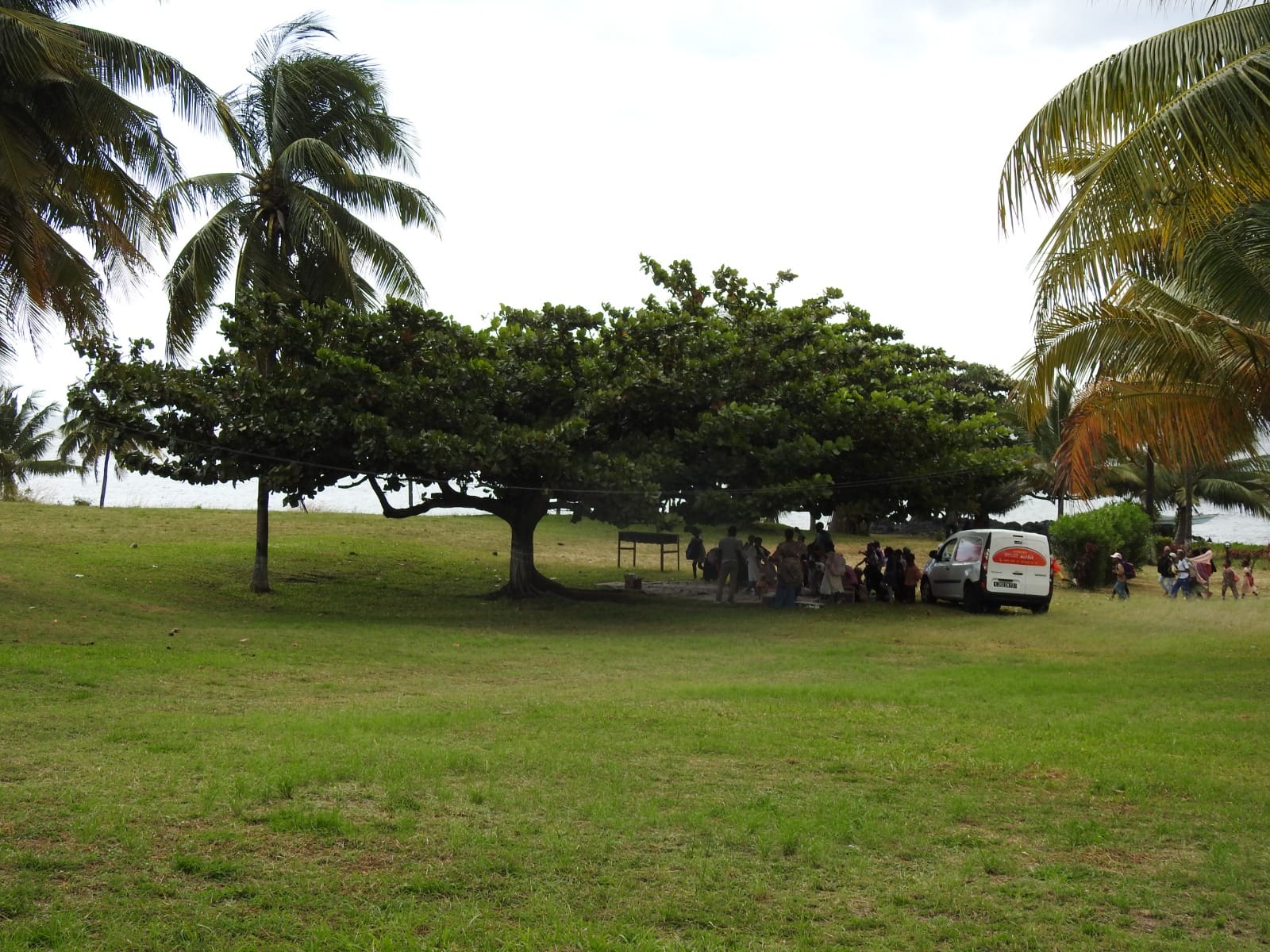
Mango trees, coconut palms, neem trees, breadfruit, bananas, flowering plants, herbs, and countless other varieties stretched as far as my eyes could see. It seemed as though nature herself had chosen this island as her favourite garden. I often thought that any Ayurvedic doctor would fall in love with this place, for medicinal plants seemed to grow in every direction.
Our family home in Seleani was warm and welcoming. It was built around a large courtyard where children spent their days laughing and playing. Sisters and brothers shared the family land, each with their own homes and spaces, connected by long corridors and many rooms. It was a home that breathed together as one family.
Although many houses on the island have simple tin-sheet roofs, stepping inside reveals another world: beautiful carpets, elegant curtains, comfortable sofas, carefully arranged bedrooms draped with mosquito nets, well-equipped kitchens, and an outdoor cooking area where meals are prepared over open fires. Simplicity and dignity live side by side.
One of my greatest joys was playing with the children. They spoke Comorian, while I spoke English. Somehow language never became a barrier. We understood one another through smiles, laughter, gestures, and affection. They lovingly called me "Tethalina," and I treasured hearing my name echo through the courtyard.
Two particularly mischievous little boys quickly earned new names from me: Boss One and Boss Two. Tiny in size but enormous in personality, they ruled the household with delightful confidence.
Every morning, my brothers-in-law made sure I drank fresh coconut water. Never before had I tasted coconut water straight from an island coconut. One small coconut held nearly two glasses of sweet, refreshing water. It tasted like nature's own medicine.
Day by day, I felt healthier. My body seemed to awaken. My skin glowed beneath the warm Comorian sun. After spending so much time indoors with air-conditioning in Kuwait, simply walking around the house, sitting outside, breathing the fresh ocean air, and drinking fresh coconut water made me feel renewed.
Perhaps true health is not always found in medicine, but sometimes in sunshine, fresh air, good food, and peaceful surroundings.
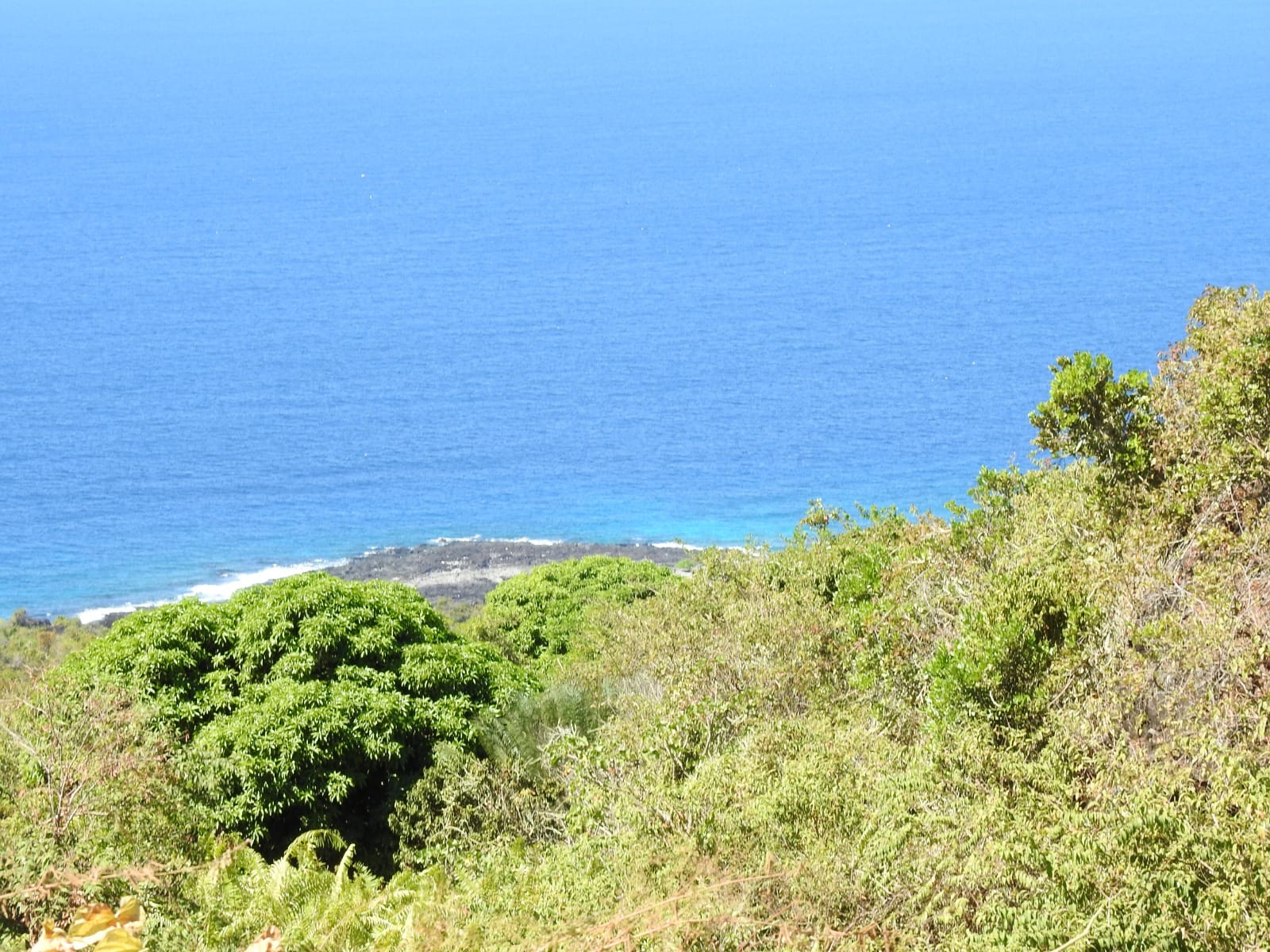
The view from the kitchen window remains one of my favourite memories. Just a few minutes away lay the endless Indian Ocean. Behind me stood majestic mountains. Between them stretched a sea of green trees.
Every direction offered beauty.
Evenings under the clouds
The evenings were unforgettable.
I found myself constantly looking upward. The clouds seemed so low that they appeared ready to touch the sea. Sometimes they became giant birds spreading their wings across the sky. Sometimes they resembled great flocks of sheep gathered together. Other times they looked like rivers flowing through the heavens.
The drive from Moroni to Seleani at night felt almost unreal. The clouds reminded me of Niagara Falls pouring through the sky. At moments they looked as though the Red Sea had opened before my eyes. I filled my camera with photographs, yet no photograph could truly capture what my heart experienced.
I also stayed at the beautiful Retaj Hotel in Moroni. Its heritage architecture, gardens, and peaceful surroundings created a truly luxurious experience.
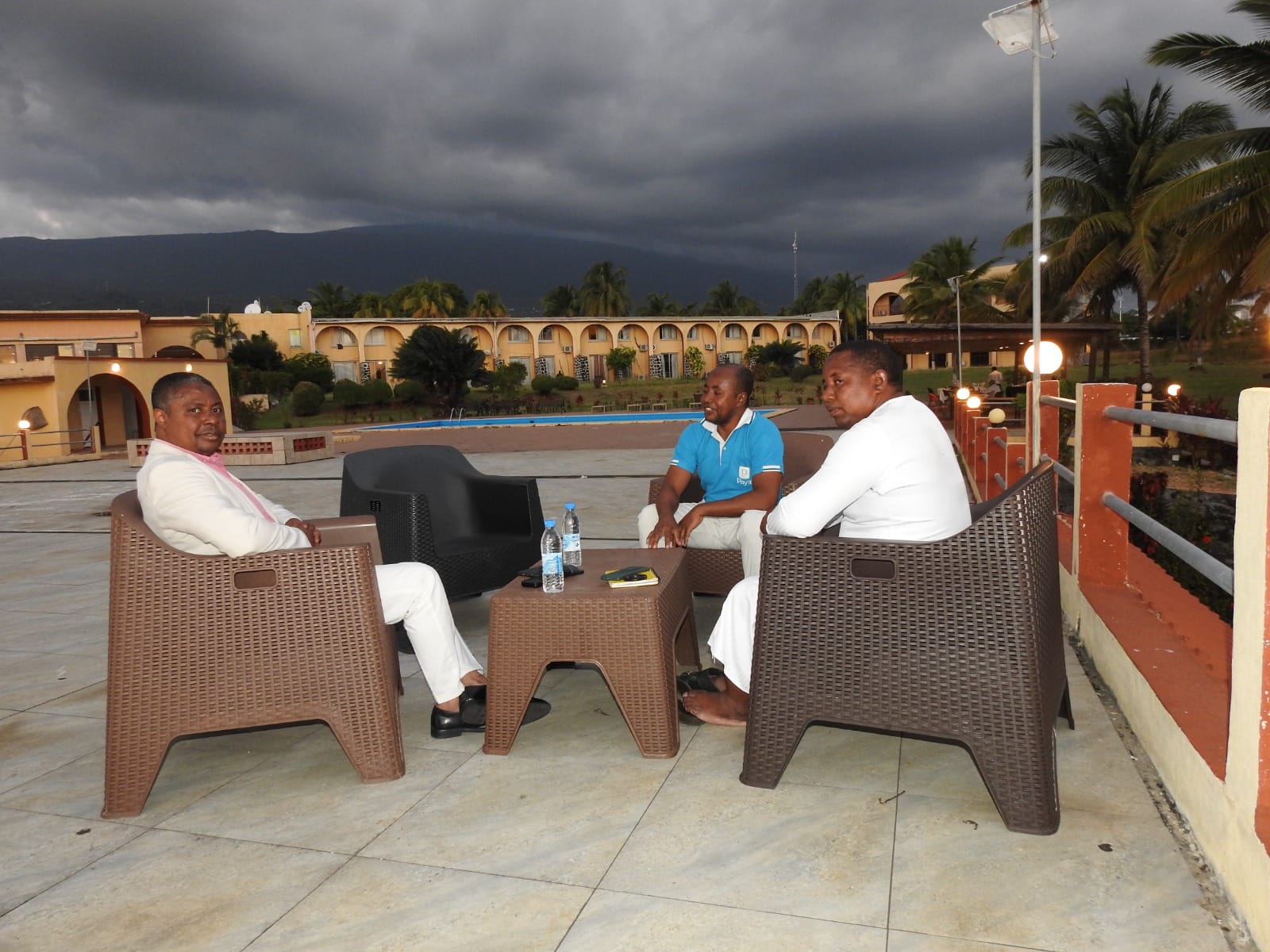
Later I stayed at the Aubergine Hotel, in the heart of Volo Volo in Moroni, whose balcony overlooked the famous market. I spent long periods simply sitting on that balcony, quietly watching life unfold below.
Vendors displayed their goods. People greeted one another warmly. Cars, motorcycles, families, and shoppers moved through the streets with an unhurried rhythm.
As I watched, my thoughts wandered to the great poets: Rabindranath Tagore, Sarojini Naidu, William Wordsworth, William Shakespeare, and Robert Frost. I wondered what they might have written had they sat beside me on that balcony.
Would Wordsworth have written another ode to nature? Would Tagore have found a new song? Would Frost have discovered another road? Would Shakespeare have found poetry in the marketplace?
Countless thoughts flowed through my mind. Sadly, I never wrote them down. One line, however, remained with me:
As I looked around, another question quietly rose within me. If this earth can hold a place so breathtakingly beautiful, how much more beautiful must Heaven be?
For those few days, I felt carefree again. Like a child. There were no worries, no schedules, no burdens. Only beauty. Only gratitude.
Grande Comore is not yet a destination known to the world. Tourism remains modest, and perhaps that is part of its charm. People live simple, humble lives. Wealth is not loudly displayed. There is a quiet dignity that belongs to the island and its people.
Some journeys entertain us. Others change us.
Grande Comore did not simply become another country I visited. It became a place that renewed my spirit and reminded me that some of the world's greatest treasures are still hidden, waiting quietly to be discovered.
The ocean of black sand and white coral
One of my favourite places was only a five-minute walk from our home. A narrow path wound gently through the trees until it suddenly opened onto the vast Indian Ocean.
Nothing had prepared me for what I was about to see.
I had expected a sandy beach with pebbles scattered here and there. Instead, the shoreline was unlike any I had ever visited. There were no smooth pebbles. Everywhere lay enormous volcanic rocks, boulders, and stones of every imaginable size, silent witnesses to the mighty eruptions of Mount Karthala many years ago. The earth itself seemed to tell the island's story.
The black volcanic sand stretched before me like a velvet carpet, meeting the deep blue waters of the Indian Ocean. It was a dramatic contrast: dark earth embracing brilliant water.
Then my eyes fell upon something even more fascinating.
Corals. Hundreds upon hundreds of them. Perhaps thousands.
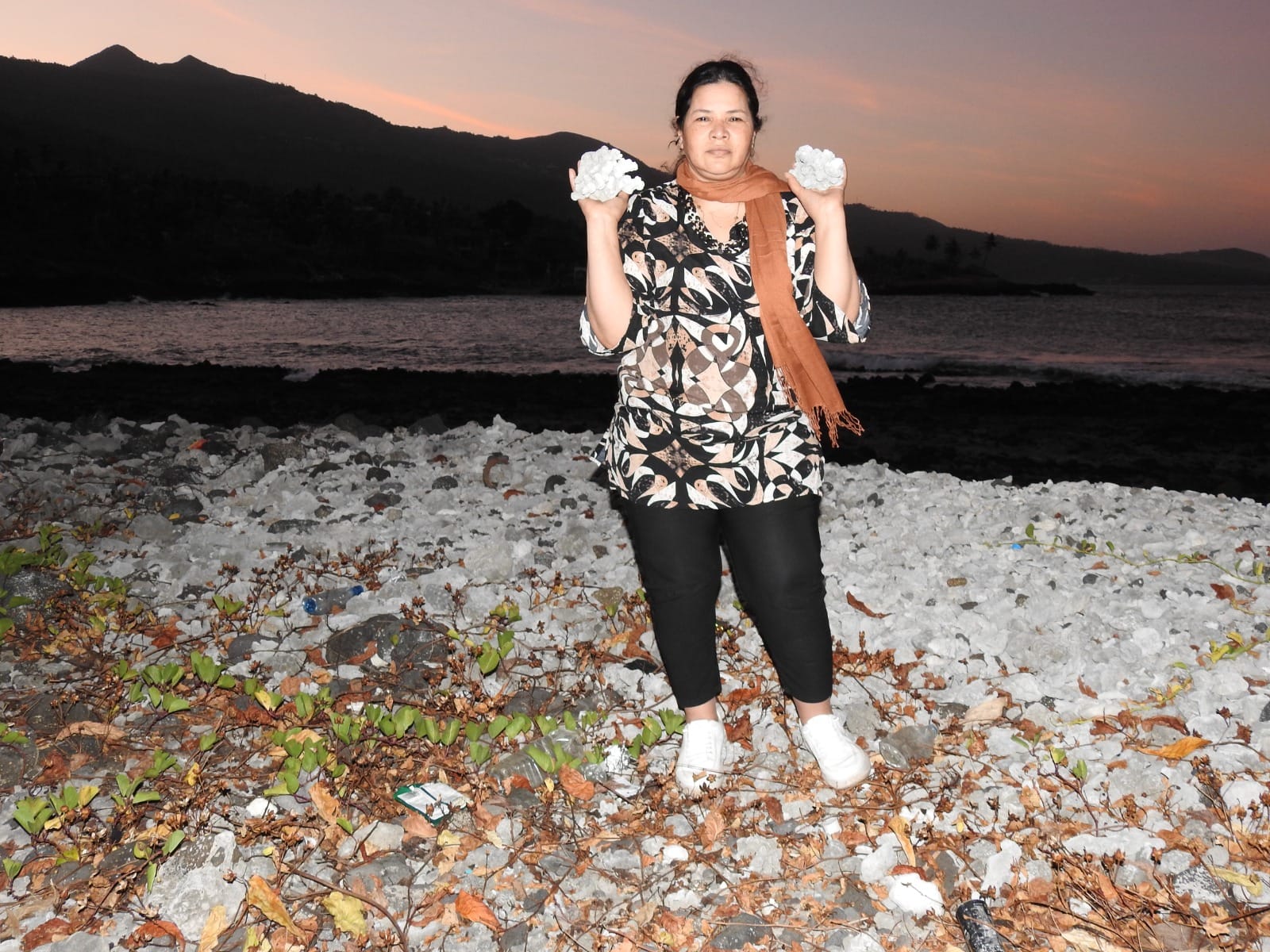
The ocean had carried them ashore over many years, where they now rested beneath the warm Comorian sun. Some were large enough to fill both my hands, while others were as delicate as lace. Every coral had its own unique design, as though each had been sculpted by a patient artist beneath the sea.
I do not know whether the people living nearby recognised them as corals, but I certainly did. I found myself bending down again and again, perhaps a hundred times or more, to pick them up, turn them over, admire their intricate patterns, and wonder about the life they had once sheltered beneath the ocean.
It felt less like walking along a beach and more like wandering through a natural museum created by the sea itself.
Among the corals lay countless shells. Tiny shells. Large shells. Perfect shells. Broken shells.
Some were creamy white, while others carried soft shades of purple, maroon, rose, and deep burgundy. Every few steps revealed another treasure waiting quietly among the black sand.
Whenever I found a conch shell, I instinctively lifted it to my ear, just as I had done as a child. I listened carefully, hoping to hear the mysterious whisper of the ocean hidden within its curves. Whether the sound was real or simply the imagination of a curious traveller did not matter. It brought back the wonder of childhood.
The shoreline itself was a masterpiece. The brilliant white corals scattered across the jet-black volcanic sand looked as though nature had painted delicate brushstrokes upon a dark canvas. Then the waves would arrive, gently washing over the shore before retreating once again, leaving behind another sparkling layer of shells and coral.
I stood there for a long time, saying very little.
Some places do not ask us to speak. They simply ask us to look. To listen. To wonder.
And that shoreline on Grande Comore became one of those sacred places that quietly remains in the heart long after the journey has ended.
Where the ocean feeds the island
As I stood along the shoreline, surrounded by black volcanic sand, white coral, and the endless blue of the Indian Ocean, I let my eyes wander toward the horizon.
Far out at sea, I could see ships making their way toward the port, carrying cargo from distant lands. Closer to the shore were the fishermen, in their safety jackets, guiding their small boats across the gentle waves. Some were heading out to sea, while others were returning home with the day's catch.
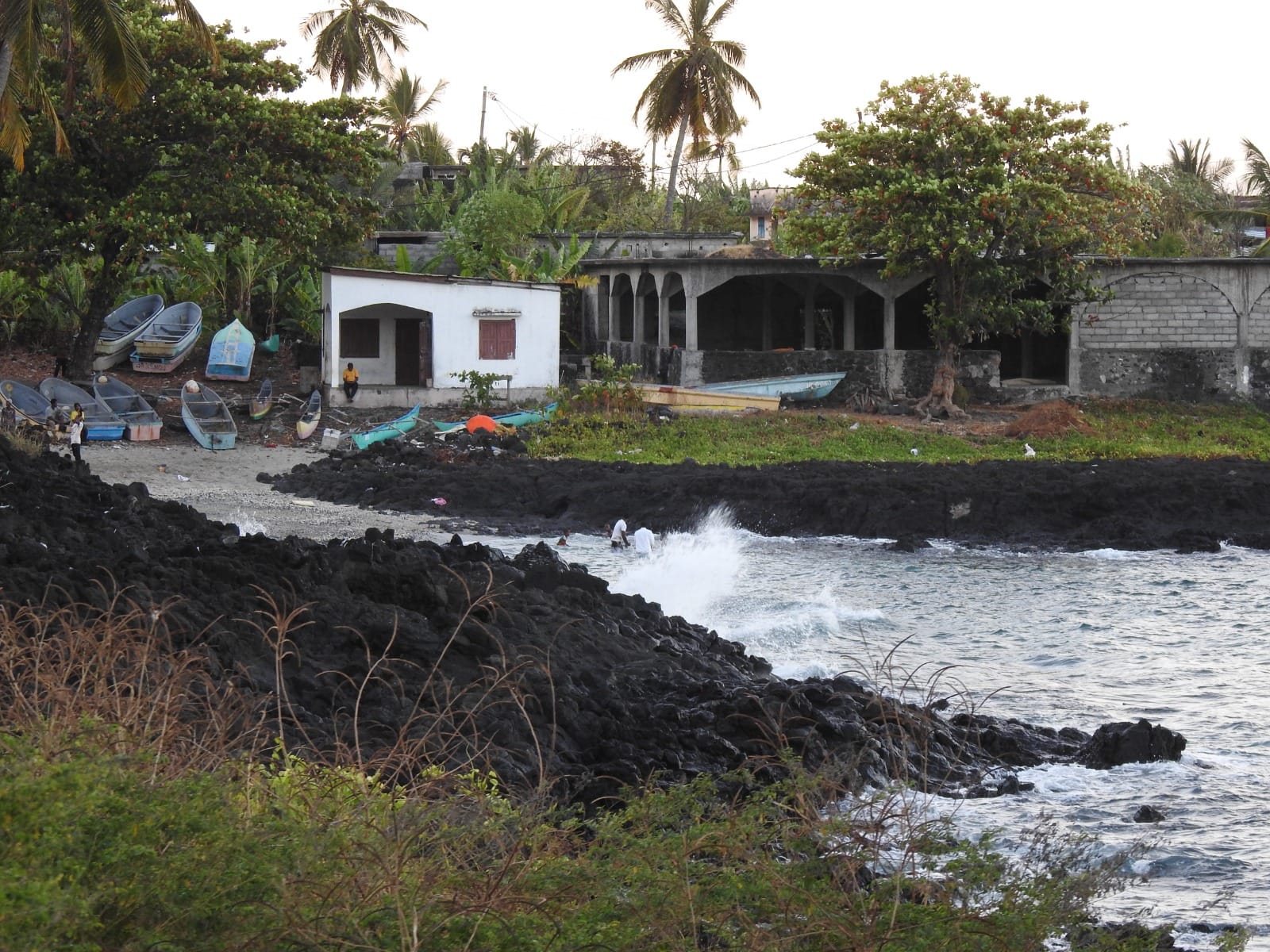
My husband and my brothers-in-law stood beside me and quietly said, "This is where our fresh fish comes from. These fishermen bring it to our homes."
Their words stayed with me.
For the first time, I realised how closely life on the island is connected to nature. There were no long supply chains or frozen supermarket shelves. The ocean provided fish each day, the land produced fruits and vegetables, and the people lived in harmony with what surrounded them.
Their meals came from the gifts of the island itself:
- potatoes, yams and cassava
- sweet potatoes and bananas
- fresh coconuts
- fish from the ocean
Everything seemed fresh, simple, and nourishing.
Living in Kuwait, I have become used to buying almost everything from shops and supermarkets. Seeing food grow so abundantly and naturally made me appreciate how generously the earth provides when people live close to it.
One tiny surprise awaited me in the kitchen: the island's red chillies. They were no bigger than the tip of my little finger, yet they held a fiery heat unlike anything I had ever tasted. They looked so innocent, but their strength was astonishing.
One day, I prepared biryani for the family. Wanting only a gentle warmth, I added just three of these tiny red chillies. That was more than enough.
The biryani turned wonderfully aromatic, but the chillies announced their presence with unmistakable intensity. I laughed to myself, wondering how something so small could hold so much fire. For a playful moment, I even thought of the renowned chef Gordon Ramsay and the expression he would wear after tasting one of these little Comorian chillies. Even he might pause before asking for another!
The food of Grande Comore is, in every sense of the word, exotic. Its flavours are bold yet natural. Its ingredients come fresh from the land and the ocean. Every meal tells the story of an island blessed with extraordinary abundance.
As I looked around me, I realised that the true wealth of Grande Comore is not measured by skyscrapers or luxury. Its greatest riches are its fertile land, its generous ocean, and the simple lives of its people, who continue to live in quiet partnership with nature.
Wrapped in colour and simplicity
One of the first things I noticed about life on Grande Comore was the way people dressed. Their clothing seemed perfectly suited to the island: simple, graceful, and wonderfully practical.
The women wore long, flowing cotton dresses that moved gently with every breeze. They reminded me of elegant maxis, yet they were far more than everyday dresses. They were alive with colour.
Purple. Pink. Yellow. Blue. Green. Orange.
Every dress seemed brighter than the one before it. Whenever I admired one colour, another appeared even more beautiful. If I wore purple, I felt pink would look lovelier. If I wore pink, I thought yellow was even brighter. Then blue would catch my eye, followed by emerald green or rich orange. Every colour celebrated the sunshine of the island.
The dresses were made of soft cotton, letting the air pass freely through the fabric in the tropical heat. They floated gracefully as the women walked, giving them an effortless elegance. When I wore one myself, I felt almost like a queen.
It struck me how differently cotton is valued across the world. In many countries, pure cotton clothing can be expensive. Here, on this warm island, cotton was simply a way of life: comfortable, breathable, colourful, and abundant, the natural choice for the climate.
The men, too, dressed with quiet dignity. Many wore long white or cream-coloured robes, similar to the East African kanzu, garments that reflect both modesty and comfort. On their heads they often wore beautifully embroidered caps, handcrafted with remarkable detail, while others draped a light scarf across their shoulders before making their way to the mosque.
There was nothing extravagant about their appearance. Yet there was great beauty in their simplicity. Their clothing reflected values deeply rooted in the island itself: modesty, practicality, respect, and quiet elegance.
As I watched families walking through the streets, I realised that beauty does not always come from expensive fashion or famous labels. Sometimes beauty is found in flowing cotton, radiant colours, skilled hands, and people who wear their traditions with pride.
Grande Comore taught me that simplicity, when embraced with grace, has a beauty all its own.
The kindness that made an island feel like home
Much of the joy of this journey came from my husband's family and their neighbours, who welcomed me not as a visitor, but as one of their own.
From the very first day, they thought only of my comfort.
Every morning began with a warm breakfast and a steaming cup of tea, often prepared from fresh herbs gathered from the land around the house and carrying the fragrance of the island itself. By afternoon, another delicious meal would be waiting for me. Whenever I wished to bathe, someone quietly made sure that hot water was ready.
I never had to ask. Someone had always thought of my needs before I did. Such thoughtfulness is a language understood in every country.
The evenings became my favourite part of the day. We would all gather together, much like families in years gone by, sitting together after the day's work was done. It reminded me of the old stories where women gathered around a fire, sharing their lives and laughing until late into the evening.
What amazed me most was that we did not even share the same language. They spoke Comorian. I spoke English. Yet somehow, we understood one another. One person would translate my words, another would translate their reply, the conversation would continue, and before long we would all be laughing together.
I realised that laughter needs no translation. Neither does kindness.
One of the most beautiful customs I experienced was the openness of the community. People wake early on the island; by six o'clock, the day has already begun. As soon as the gates were opened and the neighbours heard that visitors had arrived, they simply came.
There were no telephone calls asking, "Is this a good time?" No appointments. No formal invitations. They came with warm smiles, kind greetings, and sincere hospitality.
One neighbour would arrive. Then another. Before long, it seemed as though the entire neighbourhood knew that I was there, and each person wanted to welcome me personally.
At first, I wondered how I would greet so many unfamiliar faces. Yet every smile dissolved any hesitation. I did not know everyone's names. I could not tell who was related to whom. But I knew one thing with complete certainty: they had come to welcome me, and to make me feel at home. Those smiles asked for nothing in return.
In the evenings, our family would often gather to watch films together. To my delight, many of my brothers-in-law, sisters-in-law, and the children loved martial arts films, especially those starring Bruce Lee and Jackie Chan. One particular favourite was Ip Man.
Although island life begins early and most people retire by seven-thirty or eight in the evening, they stayed awake a little longer because I was there. That simple gesture touched me deeply. Eventually, I would insist that everyone go to bed. "You have to wake up early tomorrow," I would tell them with a smile. They would laugh, say their goodnights, and the house would gradually become quiet.
As for me, sleep came much later. Night after night, I found myself outside with my eyes lifted towards the heavens: the stars, the moon, the drifting clouds, the gentle breeze. I simply could not get enough of this beautiful island.
Grande Comore is not famous. It is not crowded with tourists. It is one of those quiet places that many people have never heard of. Yet those who know it cherish it deeply.
I arrived as a visitor. I left feeling as though I had found another home.
When I remember Grande Comore, I will certainly remember its mountains, its ocean, its volcanic landscapes, and its breathtaking skies. But above all, I will remember its people. For it was their kindness that made the island truly unforgettable.
A hidden treasure of the Indian Ocean
As I bring these pages to a close, I think of everything Grande Comore gave me: the black volcanic shores and their white coral, the endless Indian Ocean, the emerald trees, the colourful clothing, the bold flavours of its kitchens, and above all the extraordinary kindness of its people.
Few places still feel this undiscovered. Mount Karthala, one of the largest active volcanoes in the world, watches over the island. Its waters are home to the coelacanth, the "living fossil" that swam these seas long before the dinosaurs. Its markets, its villages and its evenings under low clouds offer what so many travellers now look for: authenticity, nature, and a welcome that asks for nothing in return.
Grande Comore is not yet on the world's travel map. Perhaps that is its greatest charm, and its greatest opportunity.
Some journeys begin with a destination. The best ones end with a place you want to return to.
This was one of them.