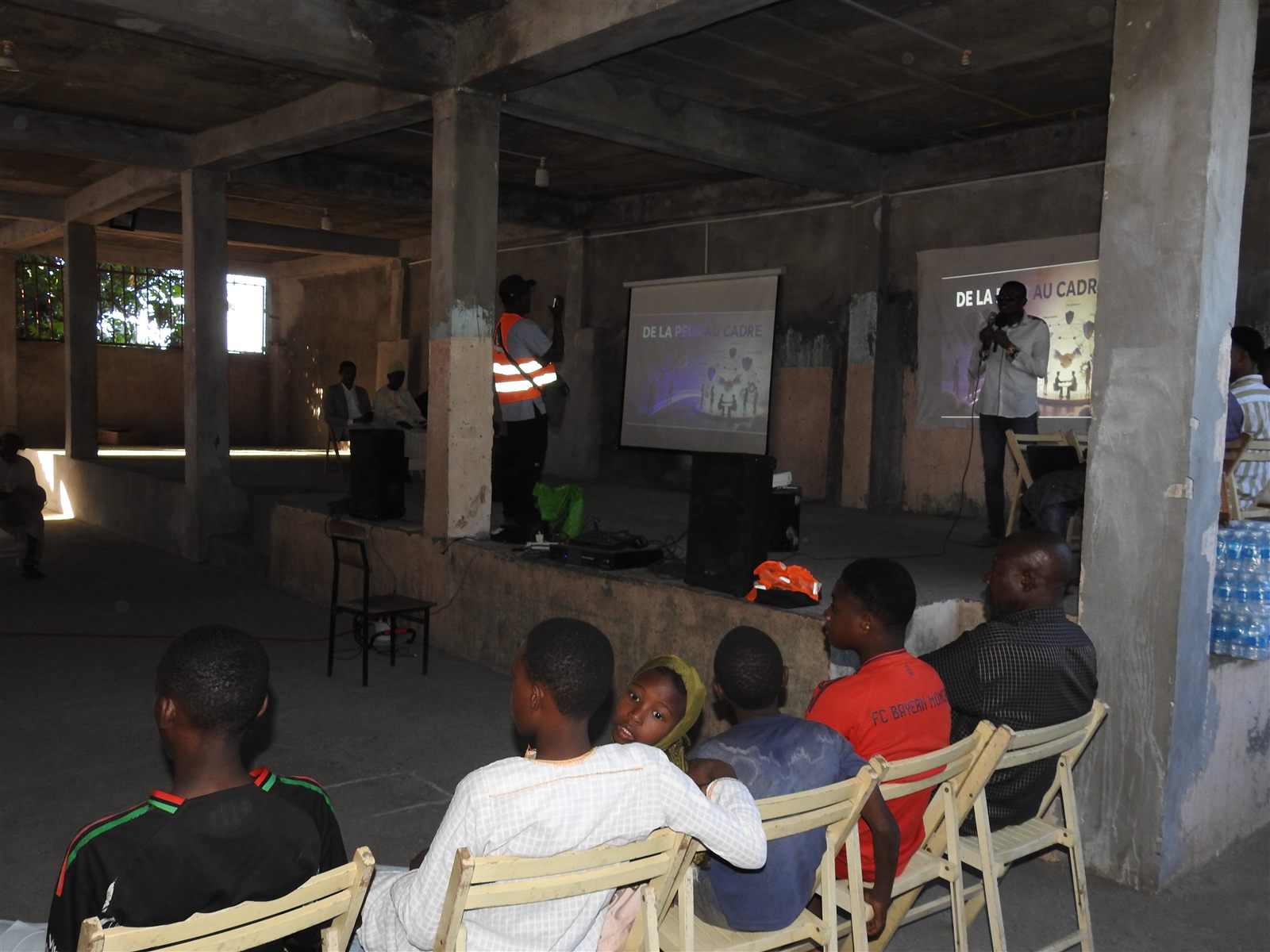
On 21 and 28 June 2026, the youth of Seleani (Hamahamet, Grande Comore) met twice with experts, scholars, community leaders and regional officials. One question: how can pupils be given a safe, motivating, high-quality learning environment? Holding the second meeting was already a result: dialogue lasts when it comes back.
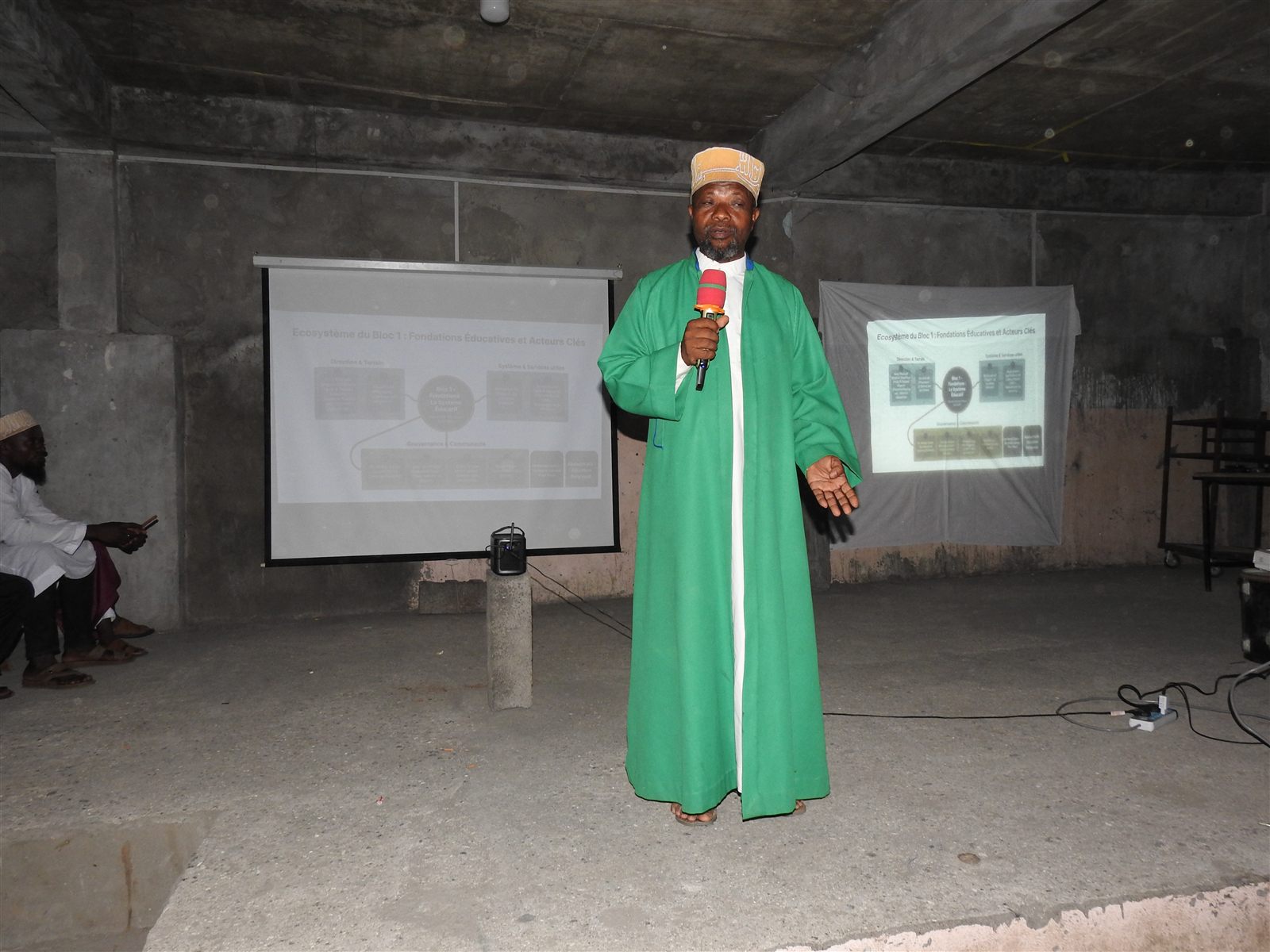
Three obstacles, one cause
The shared diagnosis names three obstacles: parents who follow their children too little, slackening rigour among some teachers, and a learning setting that does not motivate enough. Behind all three lies one cause: there is no regular place where the actors account to one another. Each acts in their own field without knowing what the others do, and the pupil’s path carries the sum of those blind spots.
Eight circles around the pupil
Parents, teachers, Islamic scholars and young scholars, notables, youth and Mediatech, graduates, craftsmen and fishermen, and Ranza: each gets a clear role, with the pupil at the centre.
Eleven priorities, no funding needed to start
The community adopted eleven priorities in four pillars: governance (a monthly meeting of young scholars, parents at a quarterly review, notables involved, two youth assemblies a year), human capital, practice and modernity (sport, field trips, computing, and AI with ethics: the tool supports the pupil’s reasoning, it does not replace it), and institutionalisation. None needs outside funding to start; all need regularity and a written record.
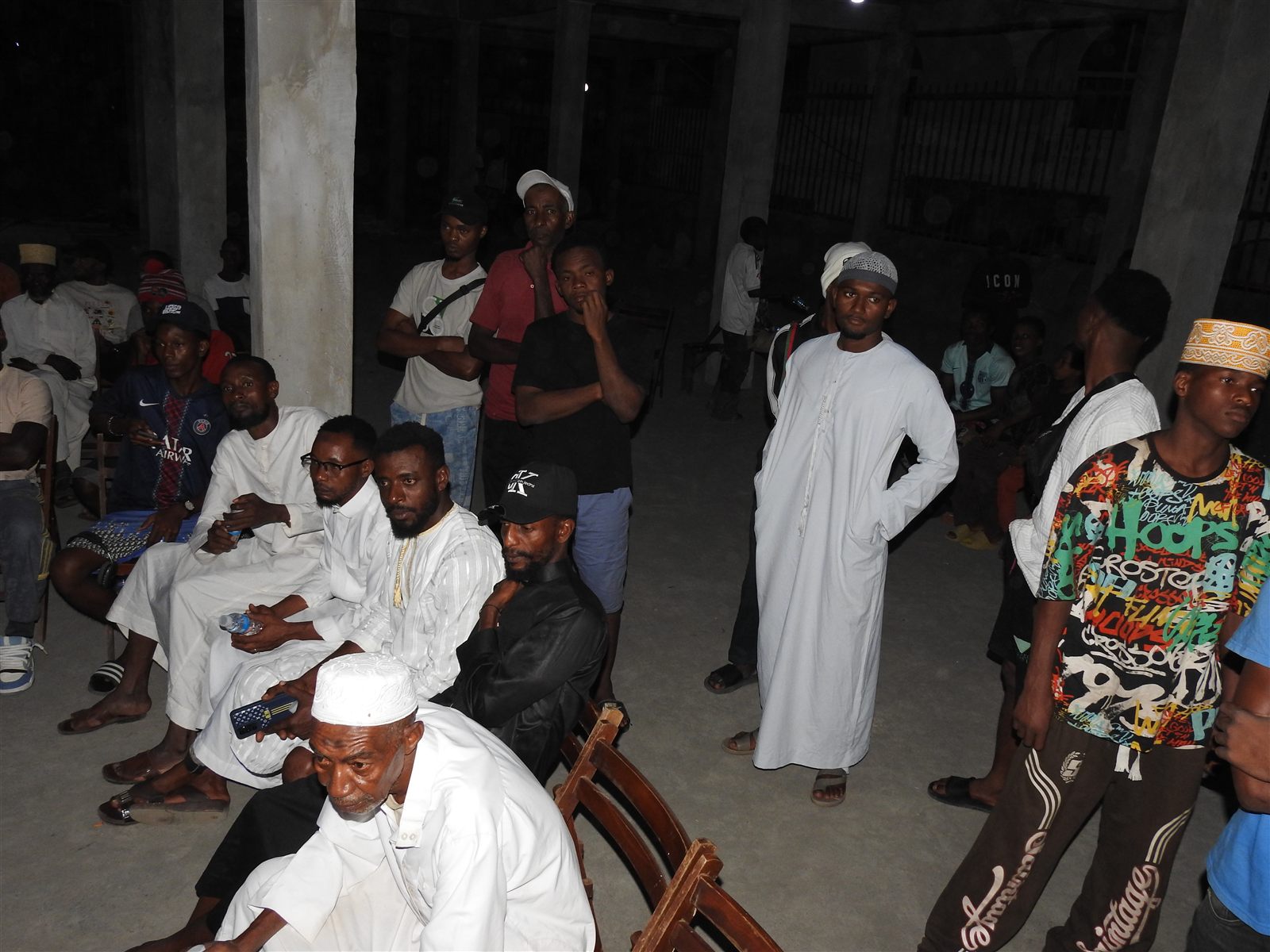
A committee whose power is the written record
A nine-member Independent Education Monitoring Committee of Seleani will record and publish. A register of pupils, students and graduates will show what skills the town has. An annual ceremony, streamed live for the diaspora, will present the results and reward the best — starting with the winner of the artificial-intelligence contest, whom the community congratulated.
The report and its framework have been adopted and are awaiting ratification by the Mayor of Seleani and the town chief. Ranza is its rapporteur.